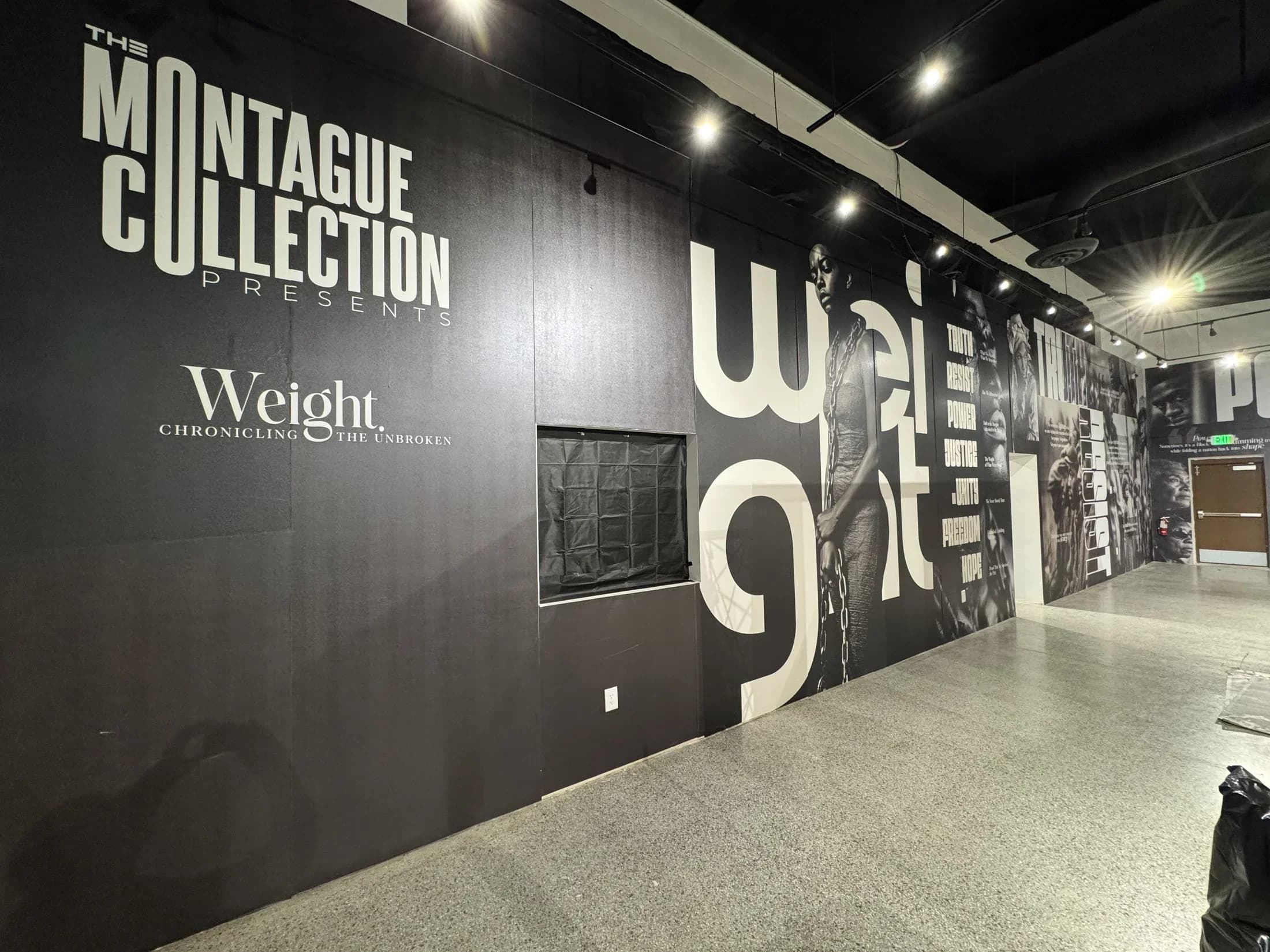
The weight
of history.
Twenty-two photographs. A single question that will not disappear: what does a people carry, and what refuses to be broken?
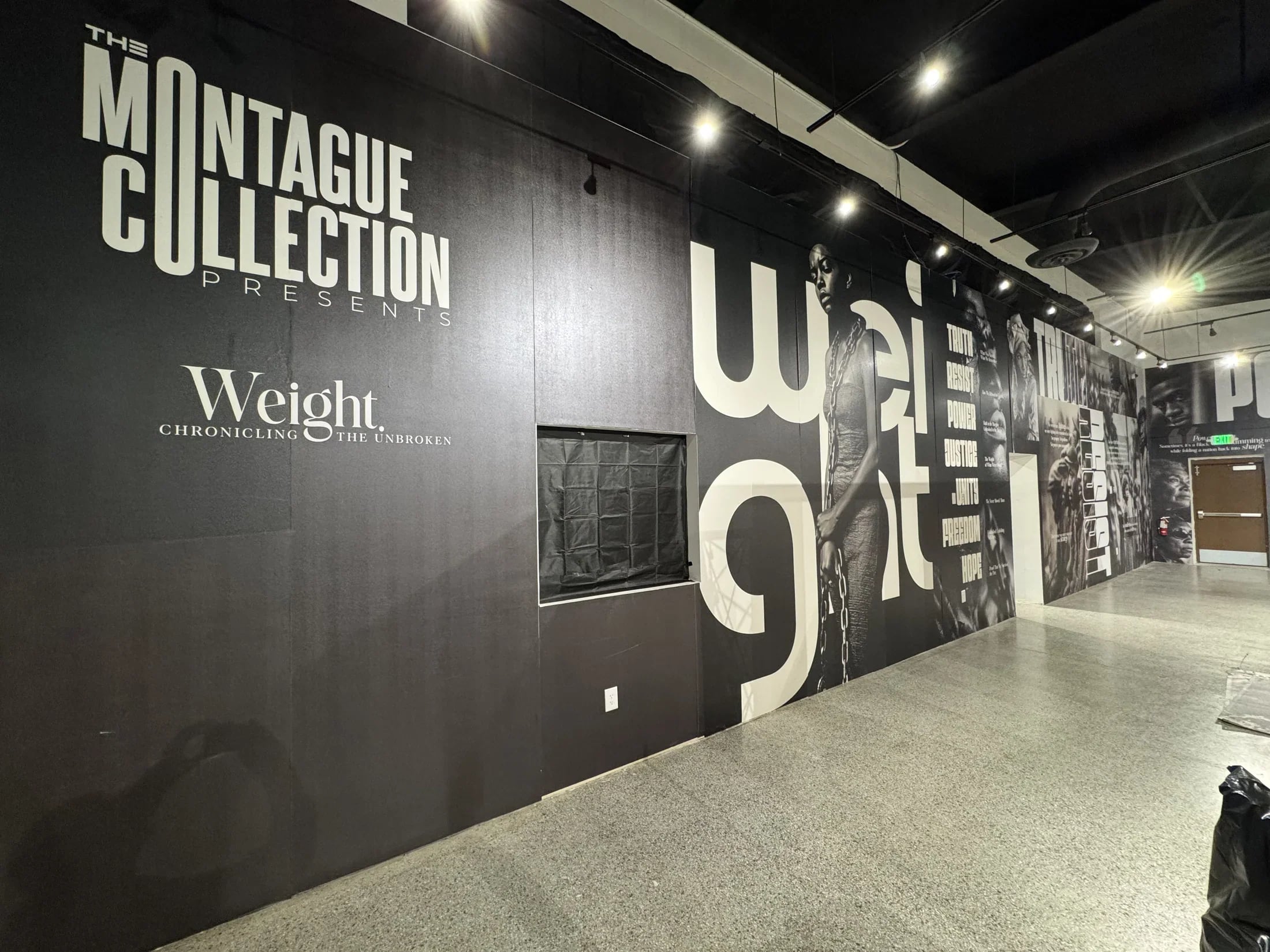
History leaves a record. But a record does not always account for the weight of what was lived.
WEIGHT: Chronicling the Unbroken takes as its point of departure the long relationship between Black experience and the structures that have attempted to define it. Its visual language asks viewers to consider not only the burdens imposed by history, but also the power of refusal, imagination and collective response.
This digital edition moves through selected photographs of the exhibition. It is not a replica of the physical installation. It is another way of reading its argument: image beside text, close view beside larger context, a sequence of encounters rather than a continuous wall of pictures.
The visible record
An exhibition begins with what can be seen. Understanding begins with the questions those images raise.
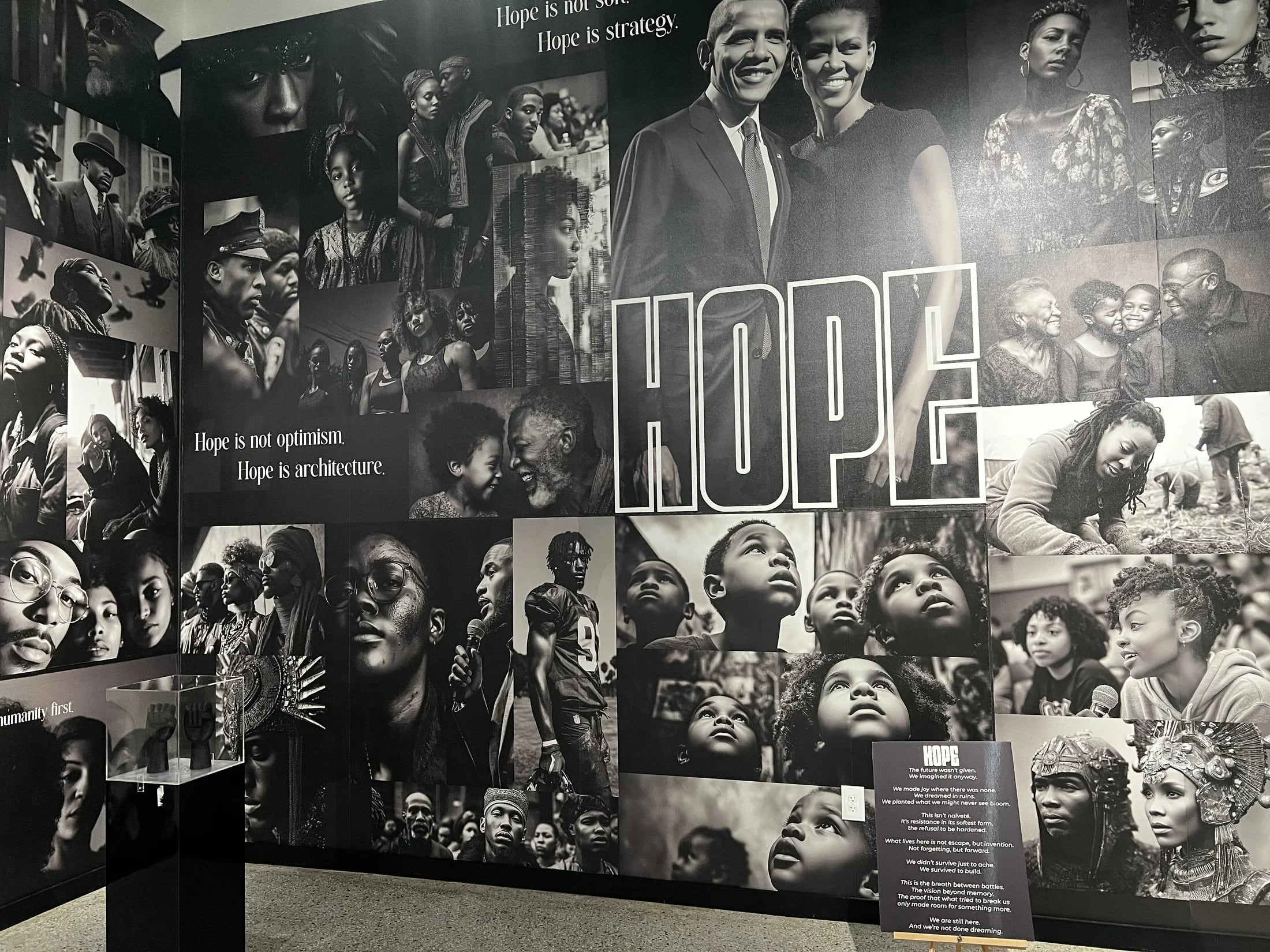
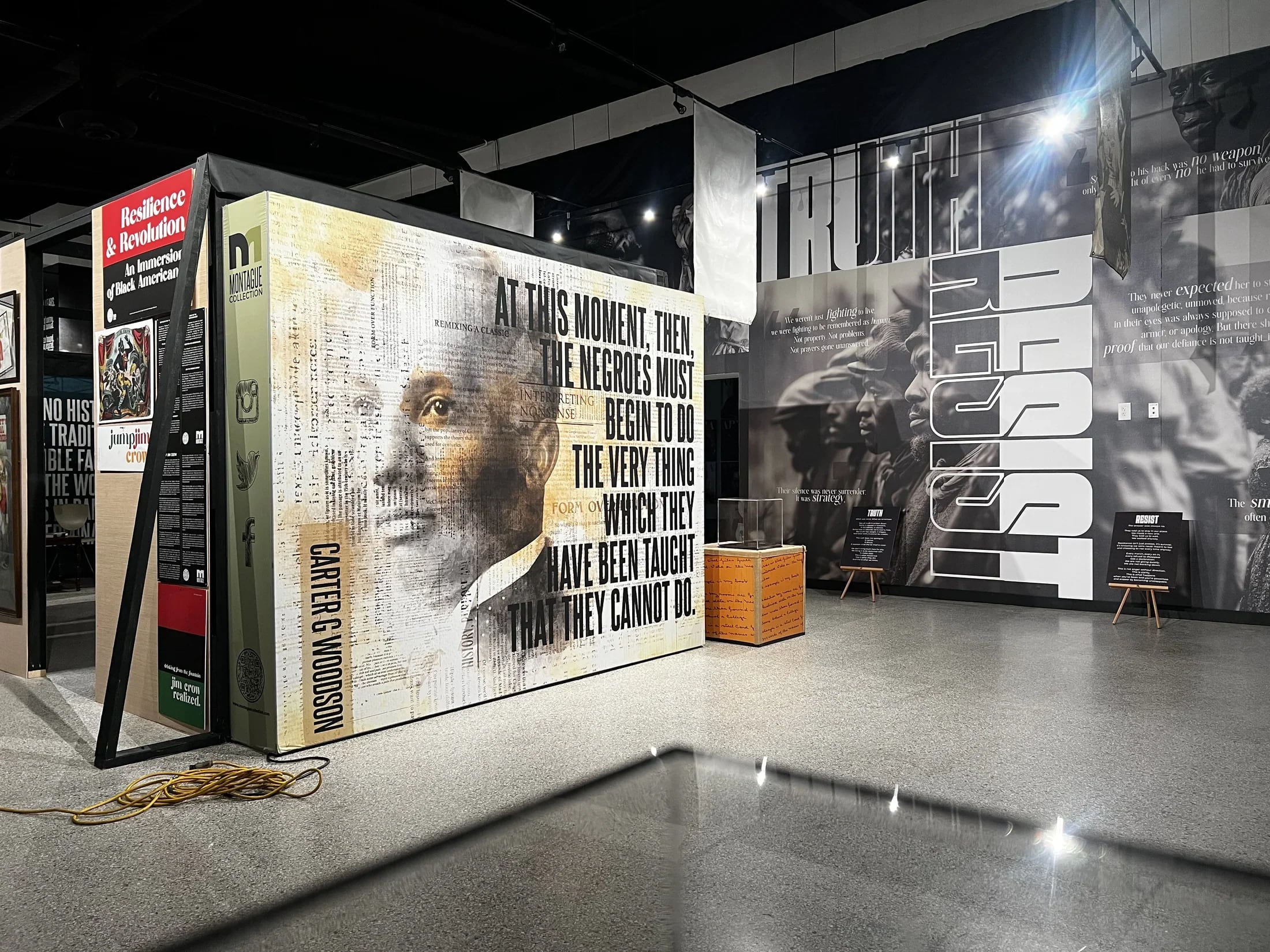
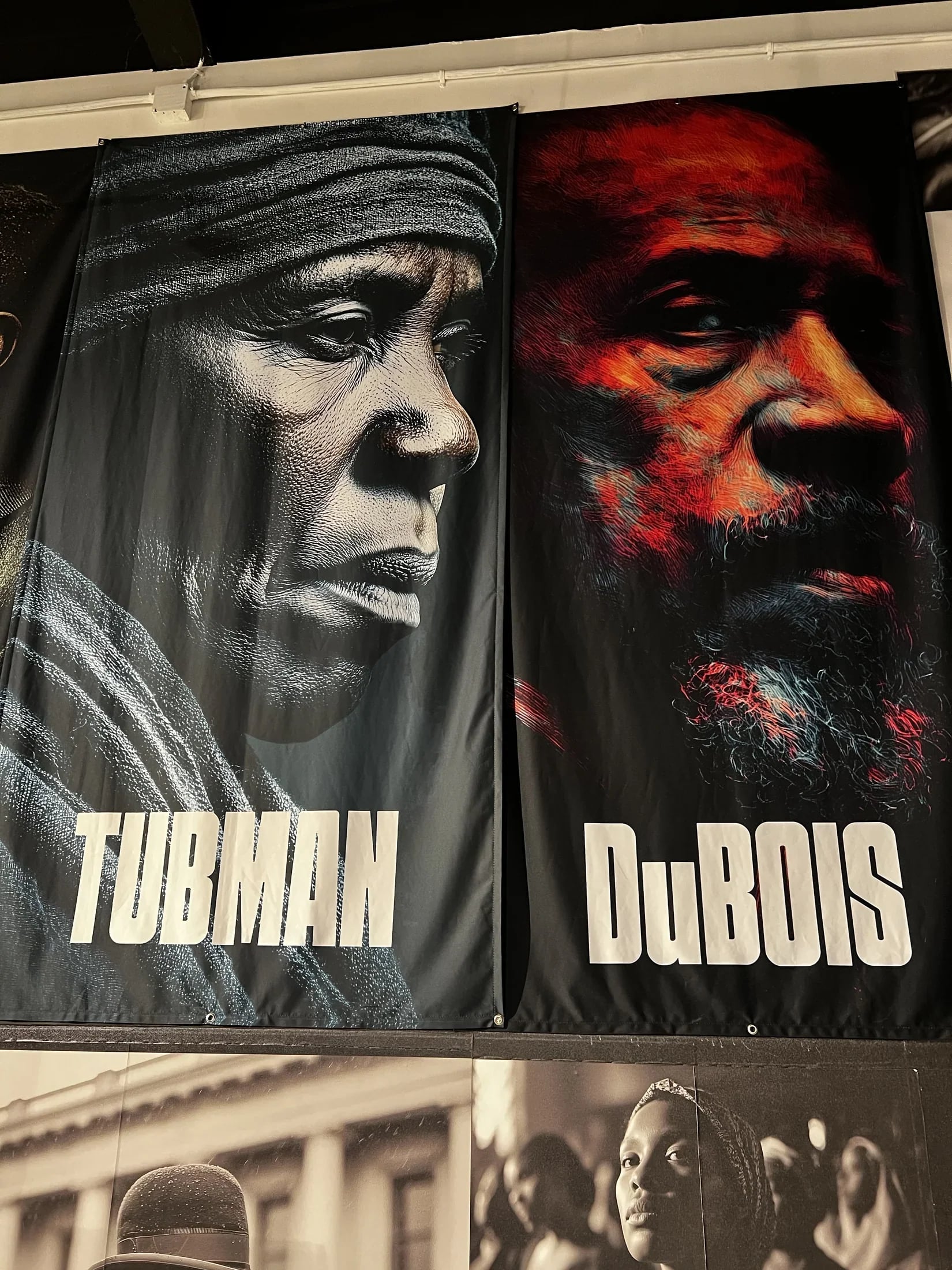
What is remembered is not always what was recorded.
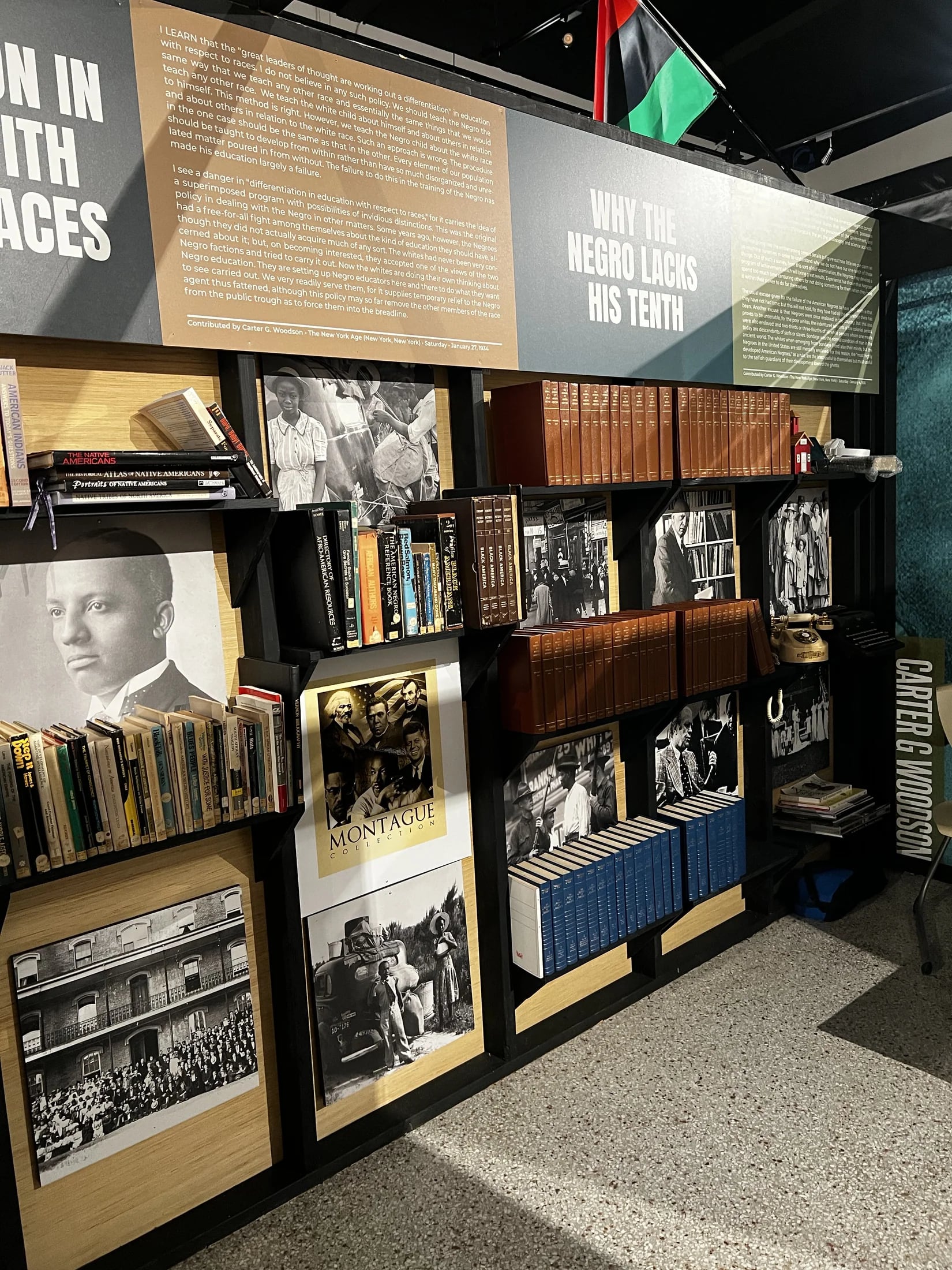
Archives preserve evidence, but every archive is also shaped by choices: what was collected, whose testimony was valued, and which experiences were left without a place in the official account.
The Montague Collection approaches exhibition-making as an act of retrieval and interpretation. These photographs offer a first look at the visual result; the underlying documents, objects and citations will join the web folio as they are reviewed.
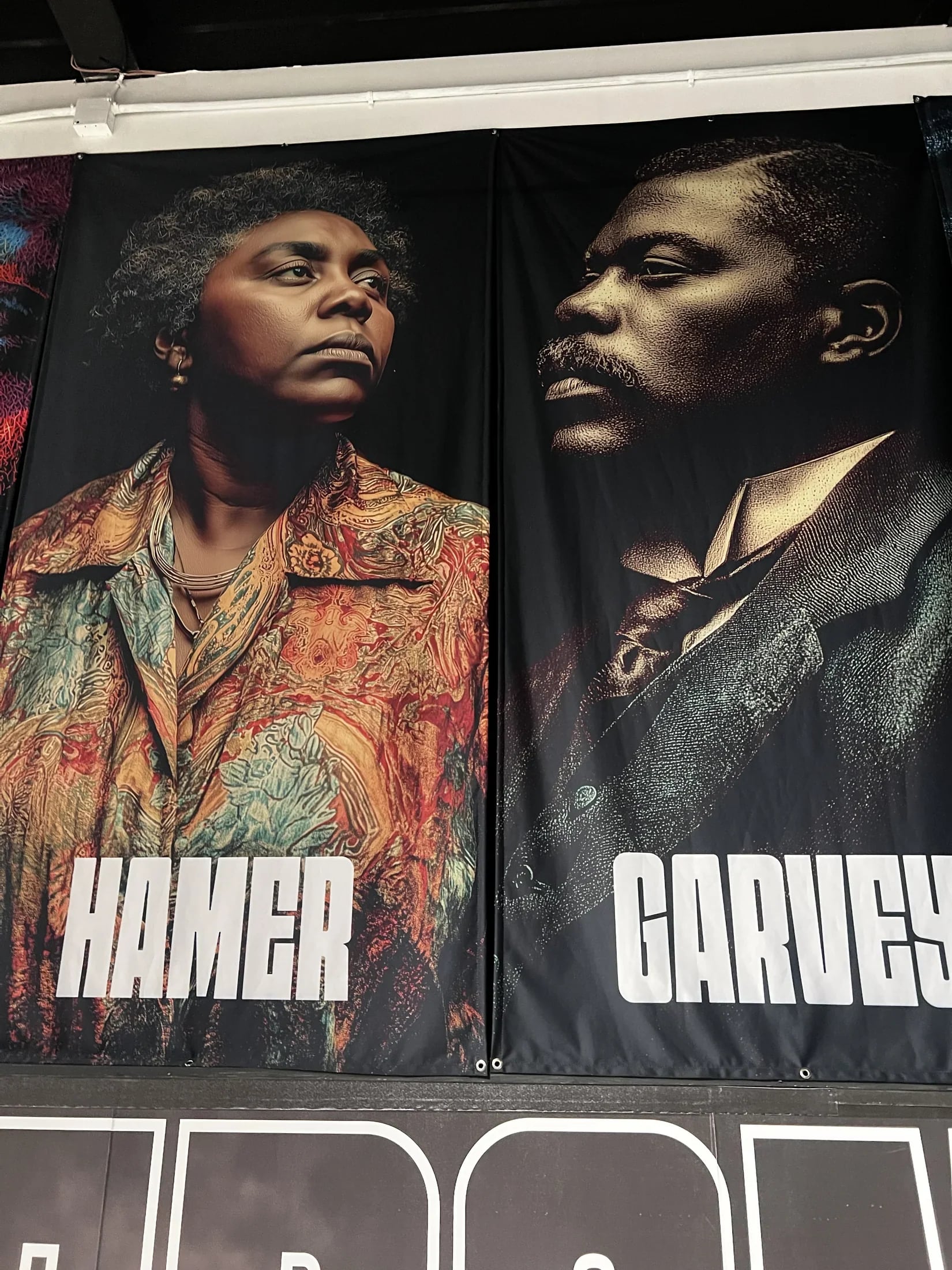
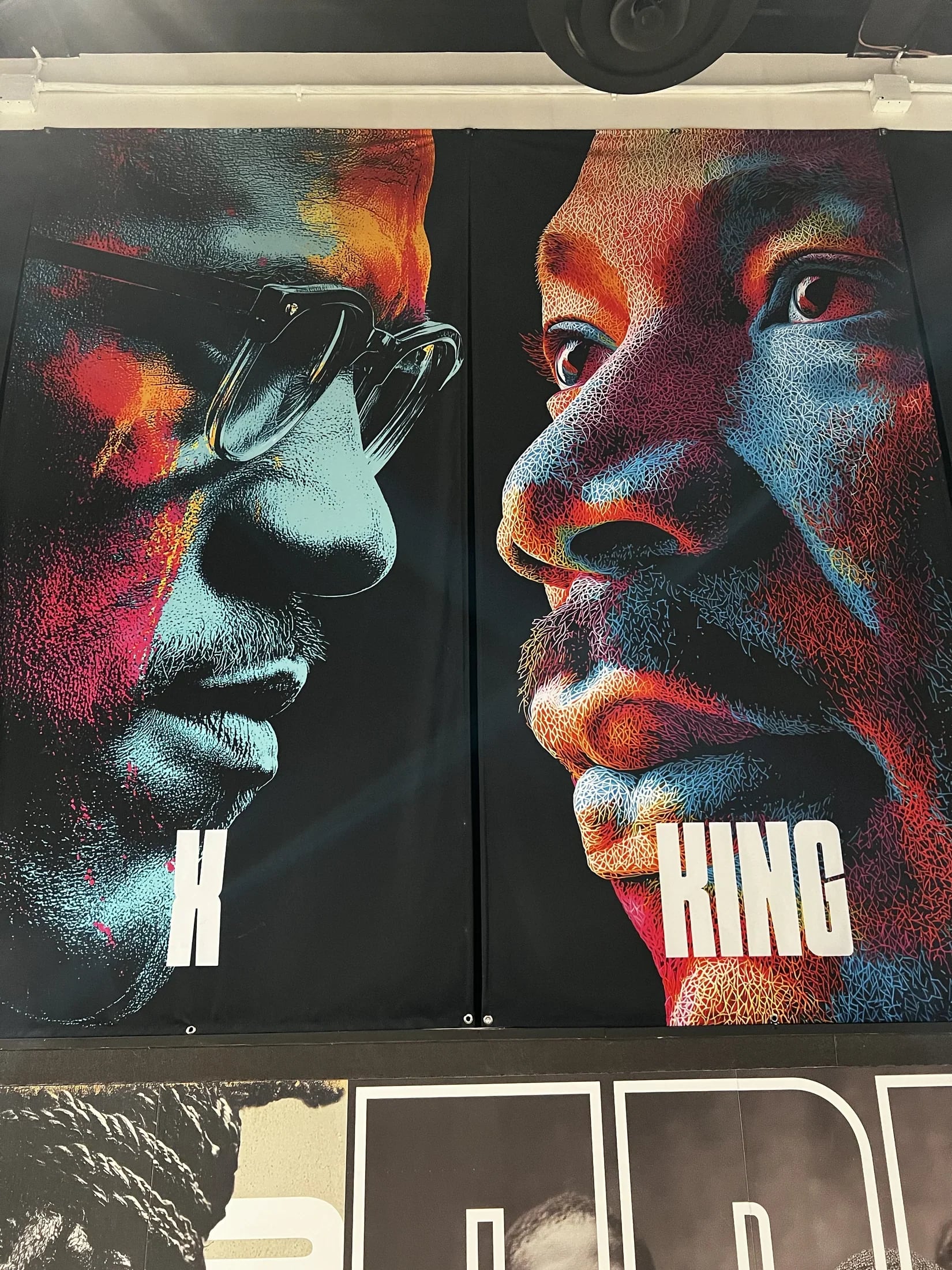
To carry history is not the same as surrendering to it.
CURATORIAL REFLECTION · PROVISIONAL WEB TEXT
Human scale
Close views invite us to look longer—to notice the distance between a historical category and an individual life.
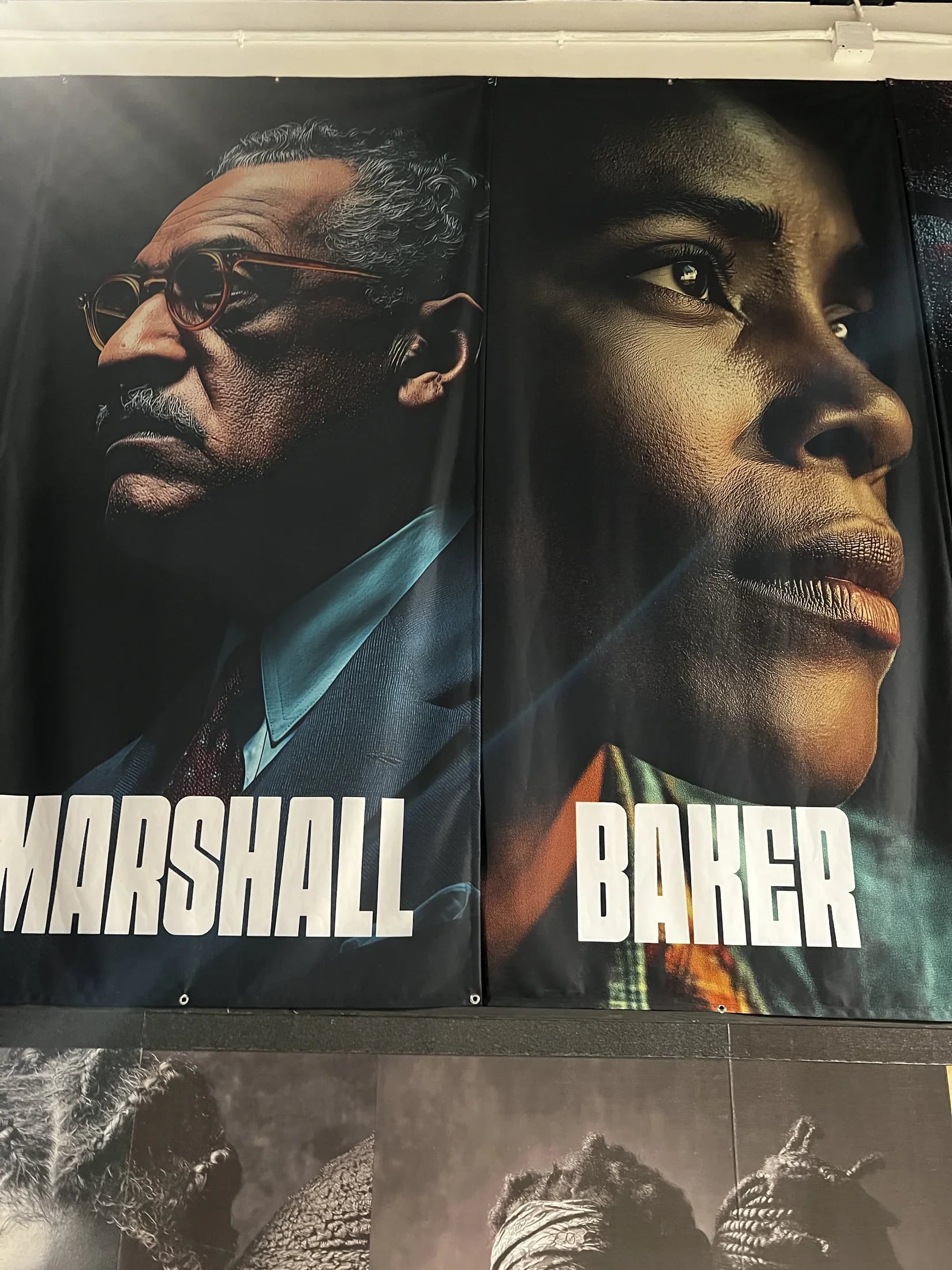
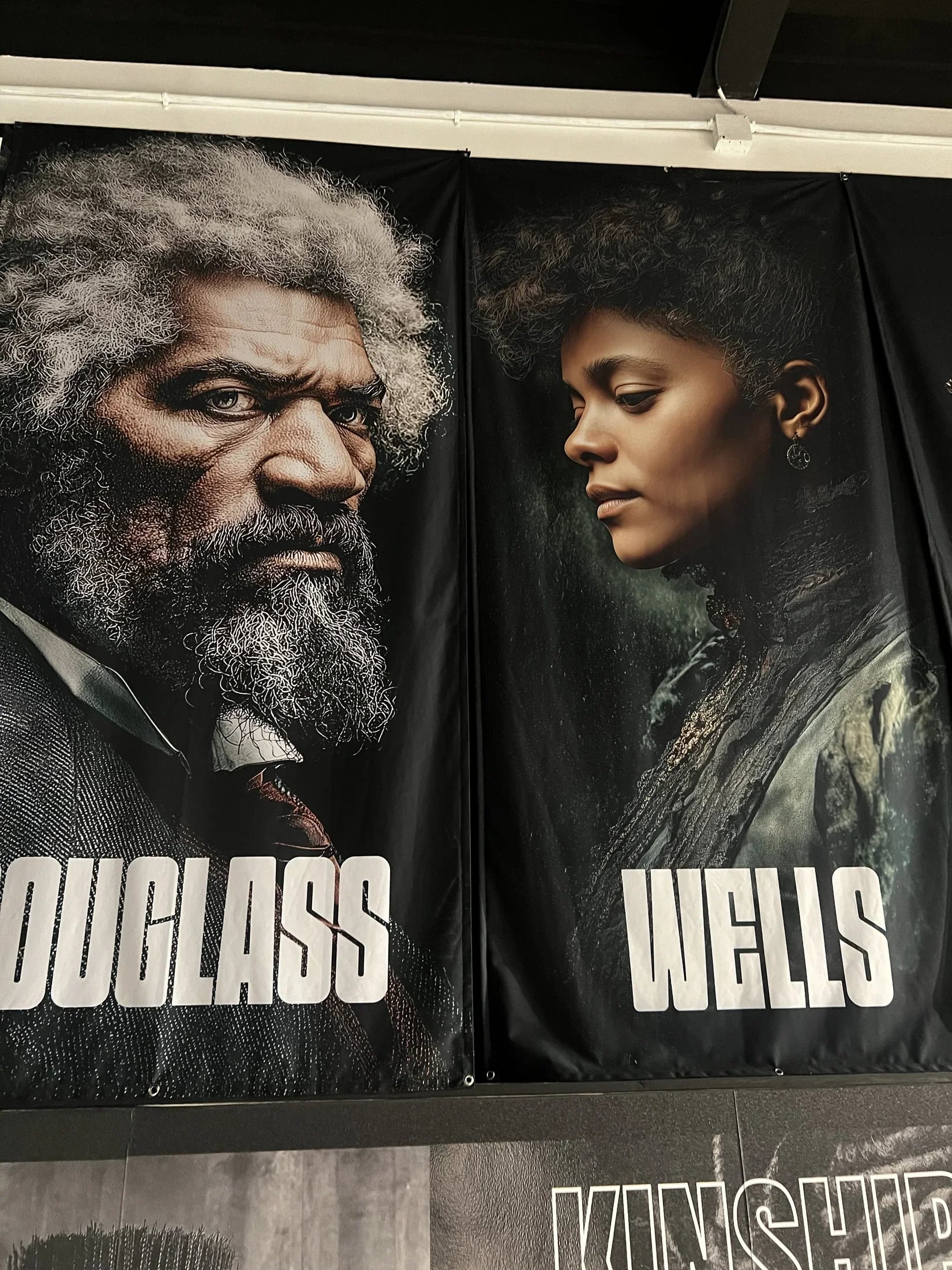
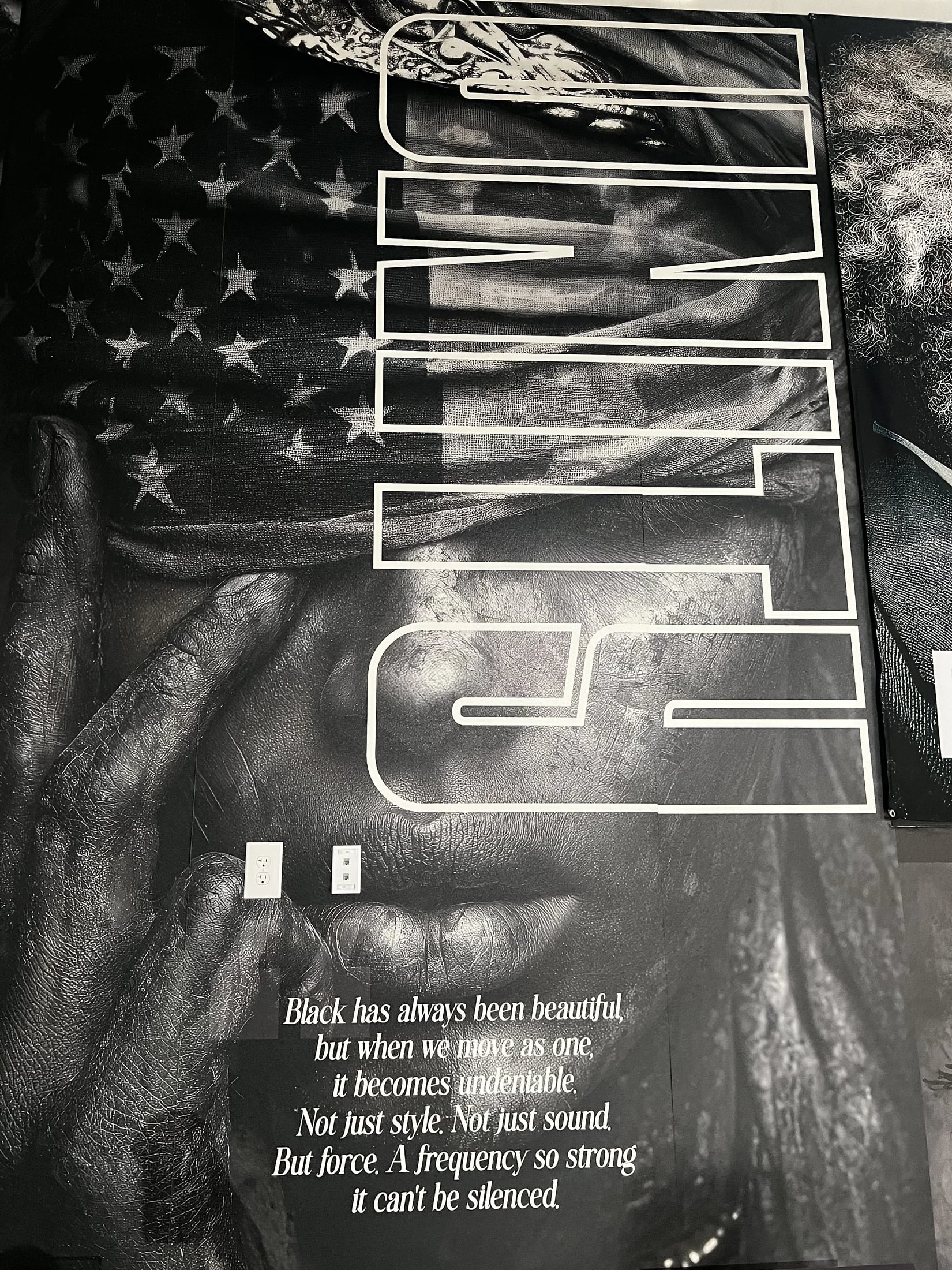
Racial history is often presented as a succession of laws, decisions and dates. The people who lived through their consequences deserve equal attention. The exhibition's portrait and detail photographs invite that second kind of looking.
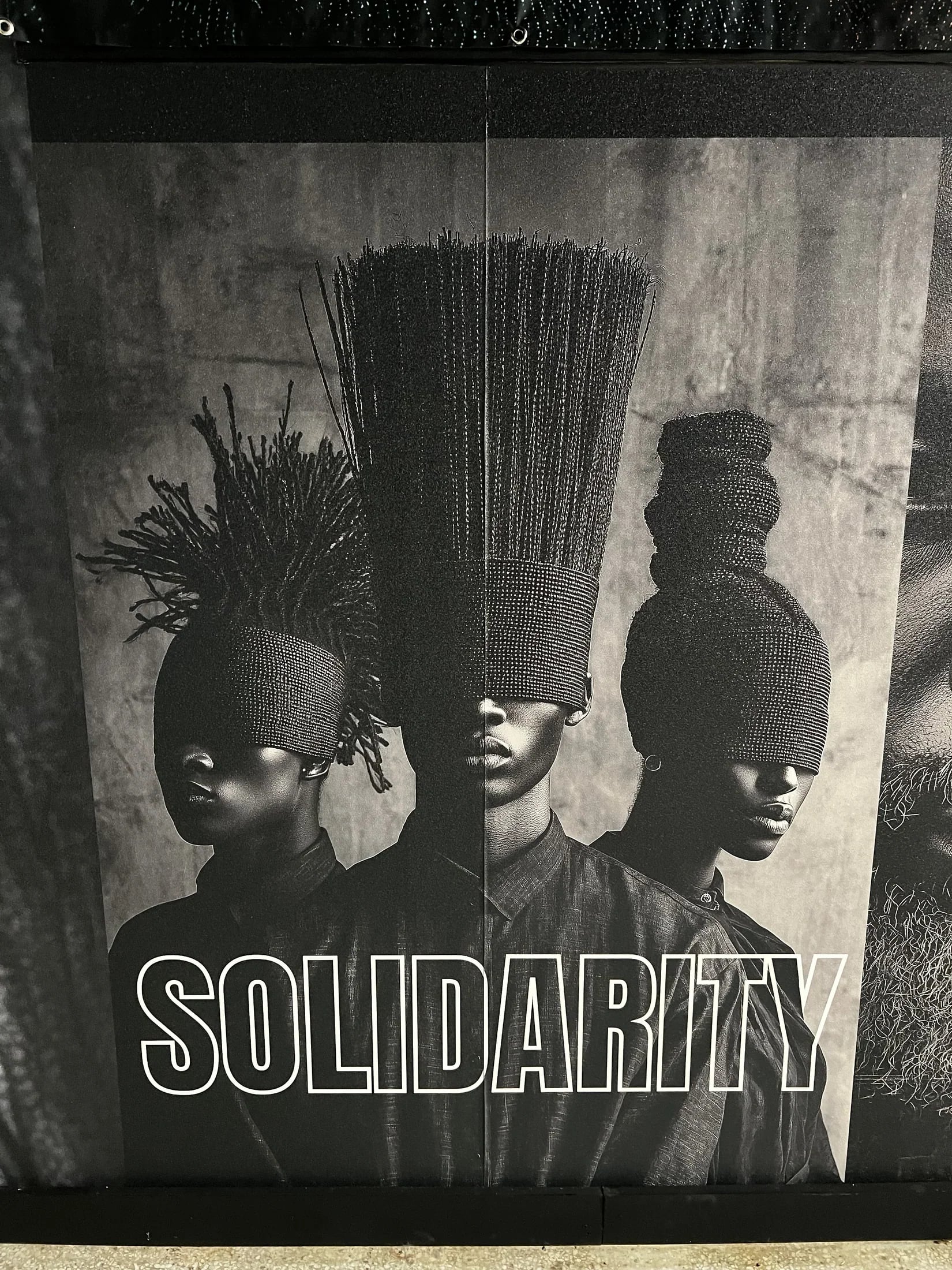
Endurance is not the absence of resistance.
The language of resilience can become too easy when it obscures the forces that made resilience necessary. WEIGHT holds those conditions and the responses to them in the same frame.
Resistance may take the form of organizing, testimony, creative expression, education or the refusal to accept an imposed account of one's humanity. Each requires a record, and each deserves context.
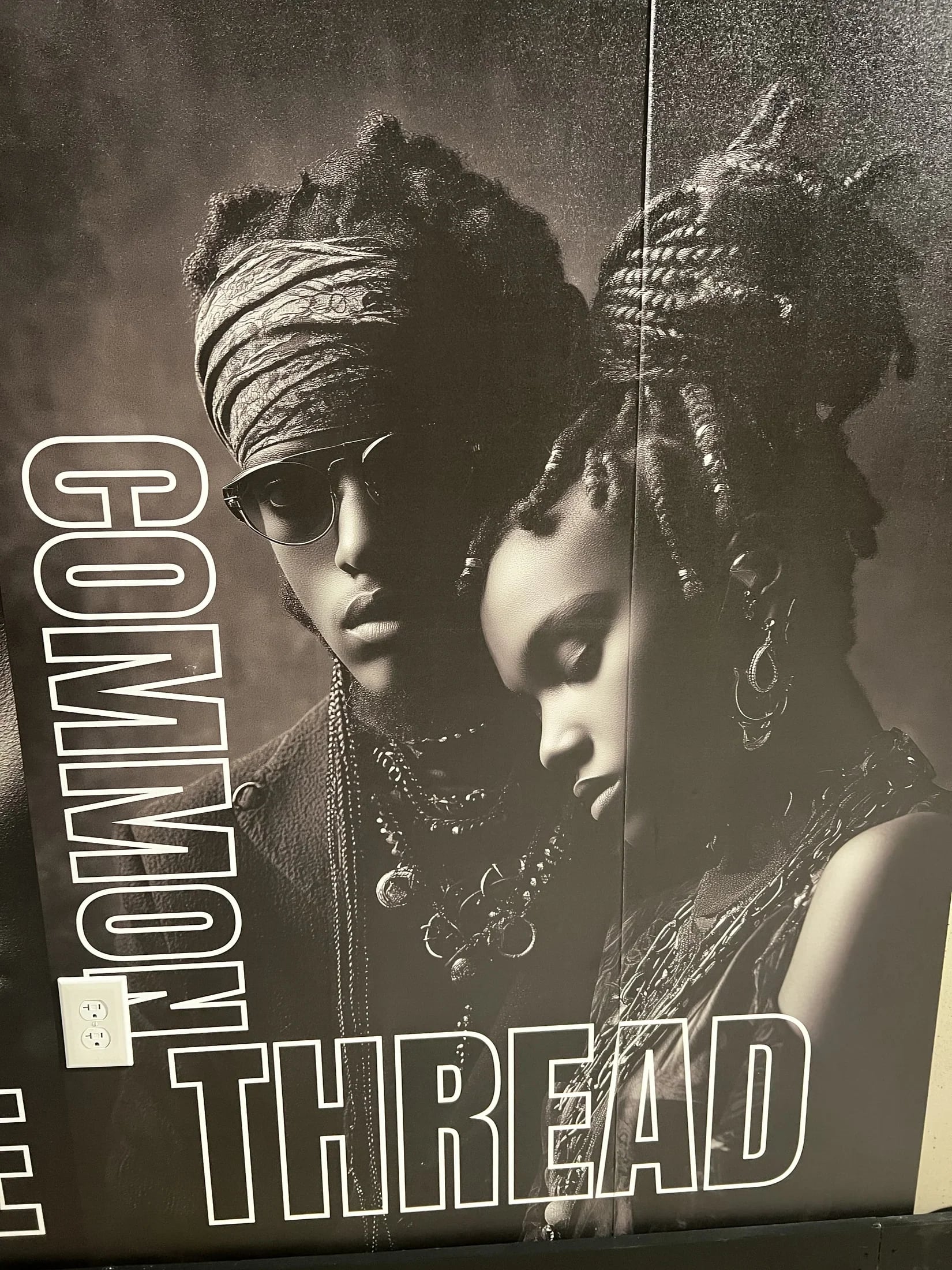
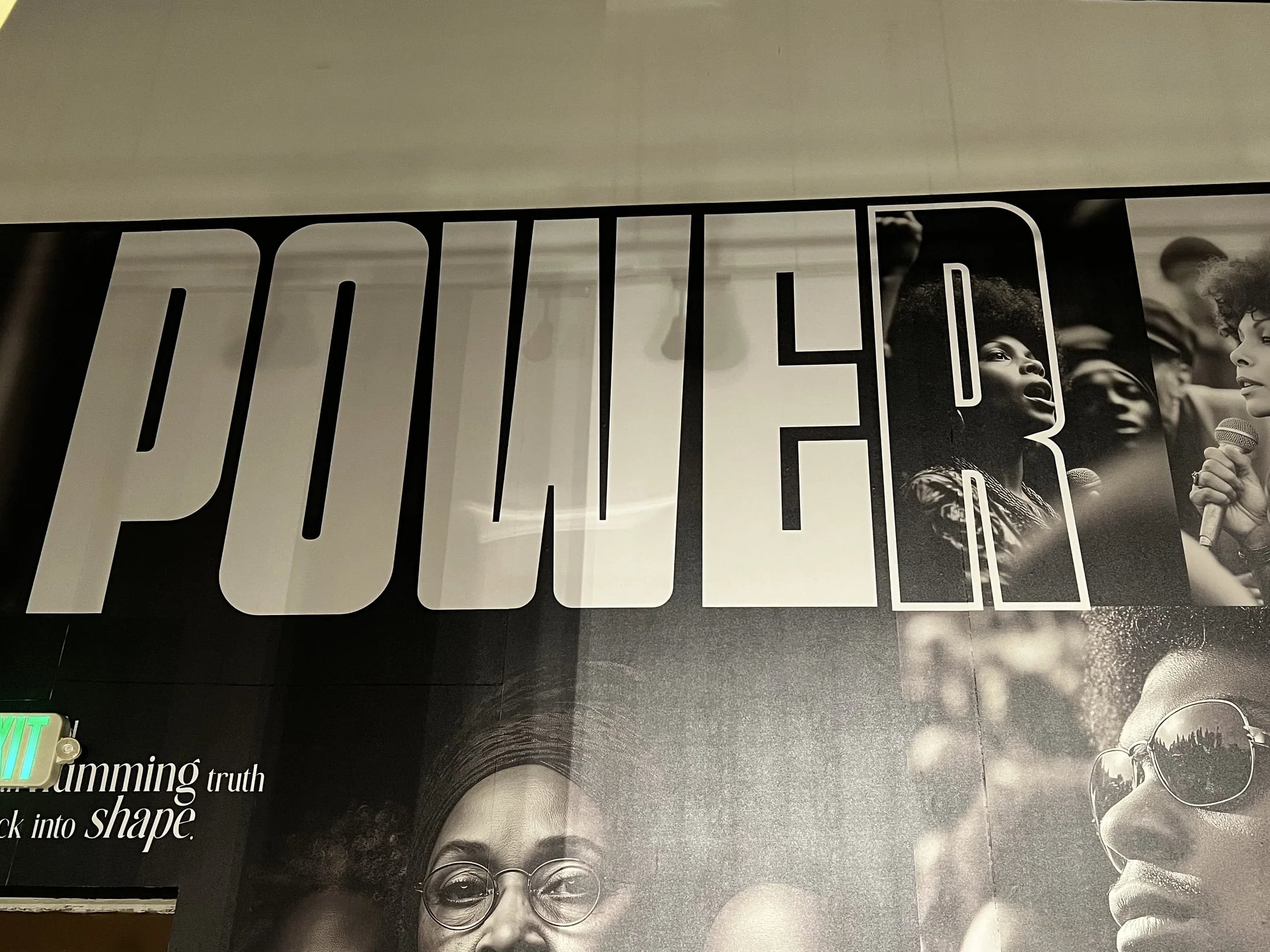
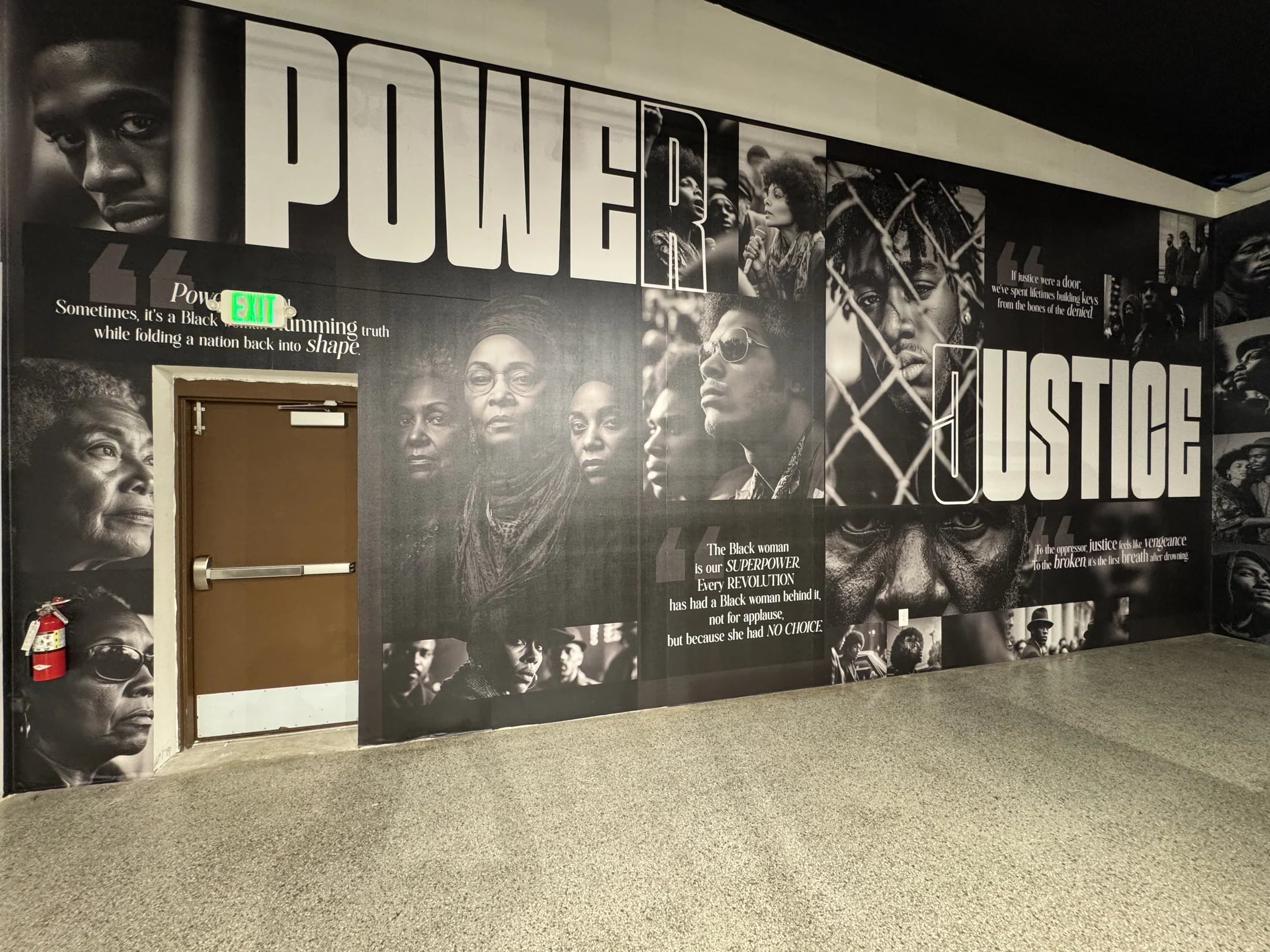
Power shapes the world. Justice asks whether it should remain that way.
To examine the Black experience is also to examine institutions: the rules they created, the labor they demanded, the rights they withheld, and the forms of accountability that followed. A credible historical account makes room for both structural analysis and human agency.
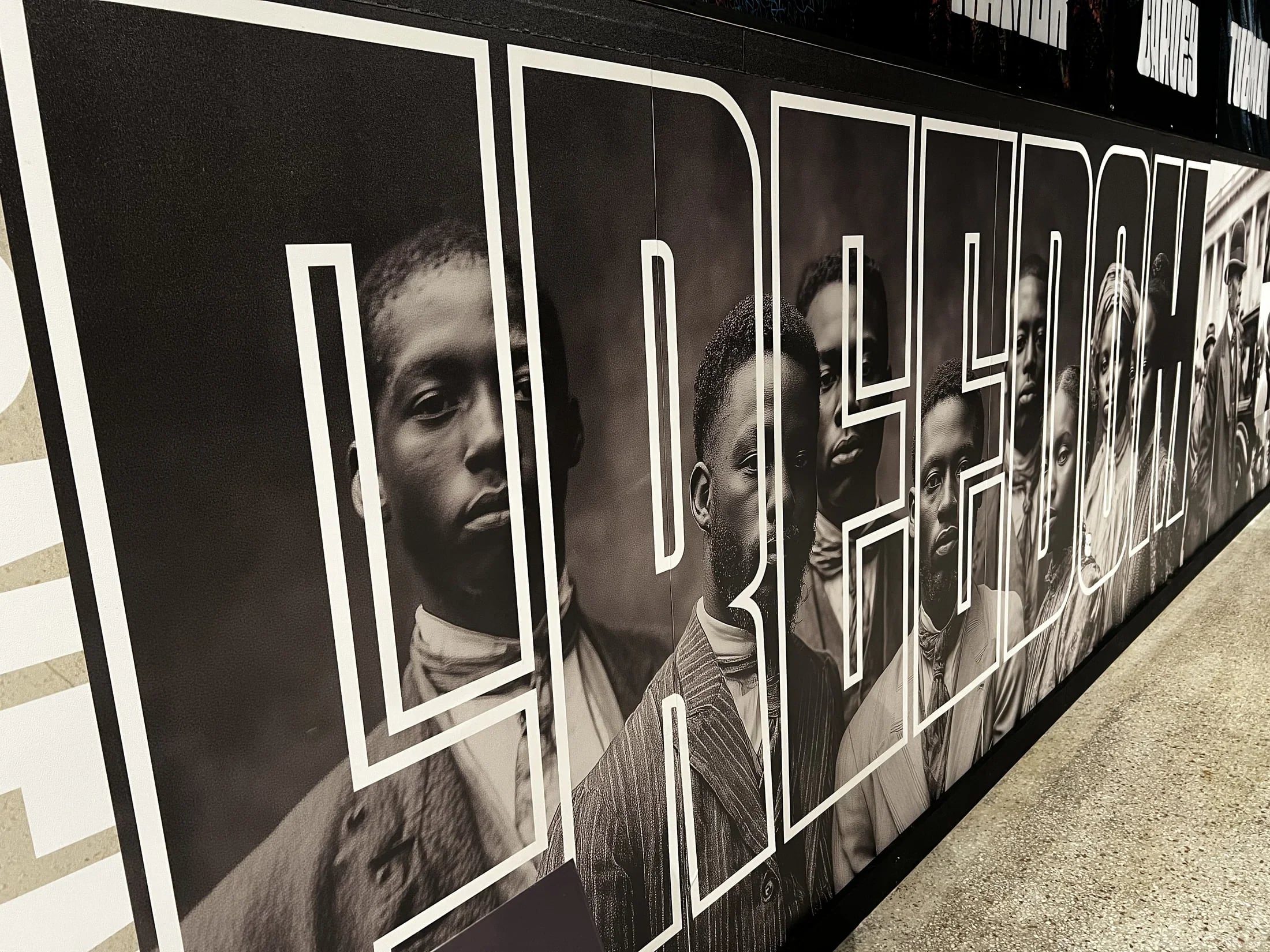
WEIGHT's graphic statements bring these ideas into physical view. The accompanying interpretation in this web edition remains intentionally concise until the exhibition's full historical text and documentation are incorporated.
Words made monumental
The installation gives scale to its ideas. The folio allows the reader to stop, look and reconsider them.
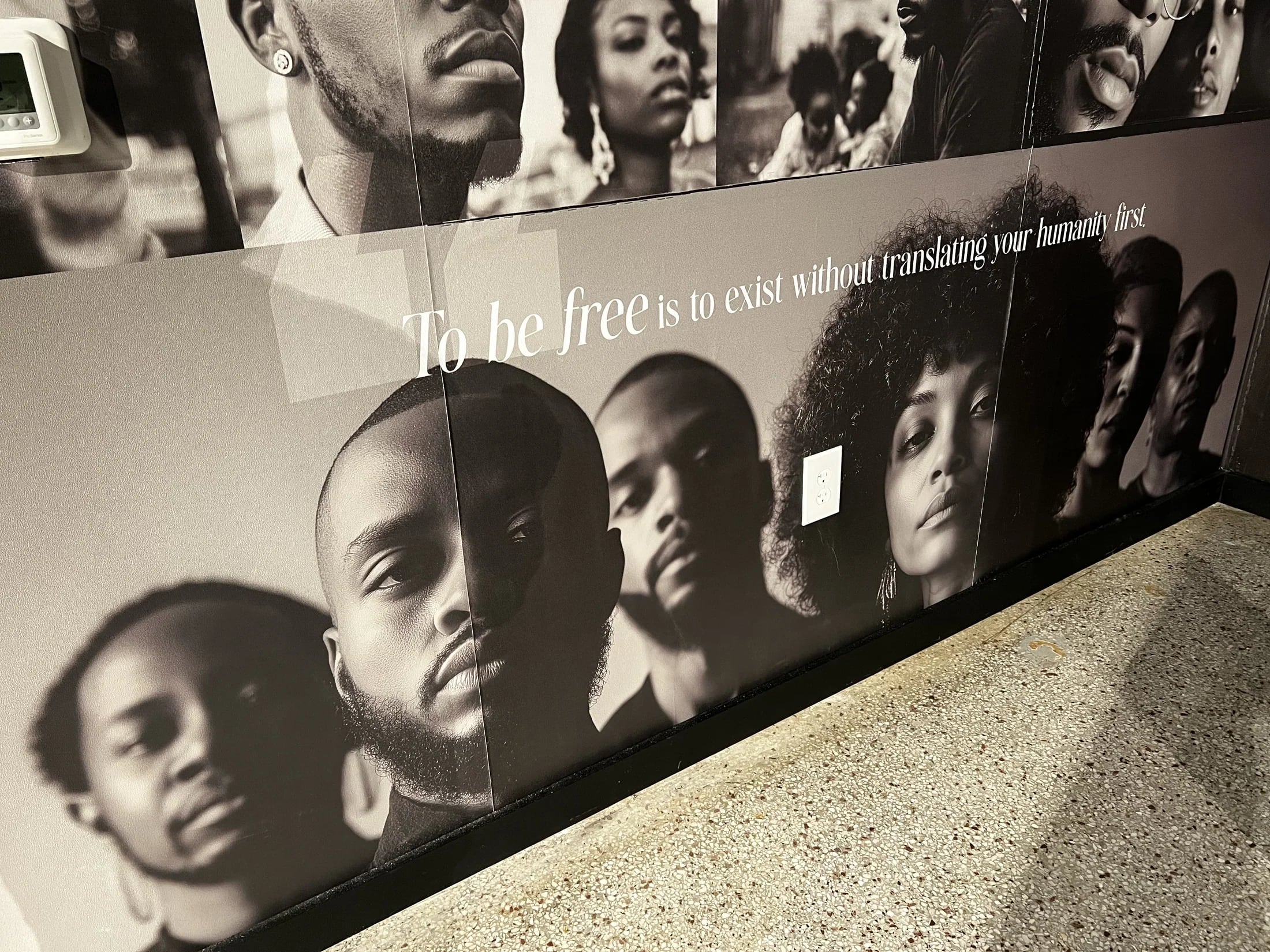
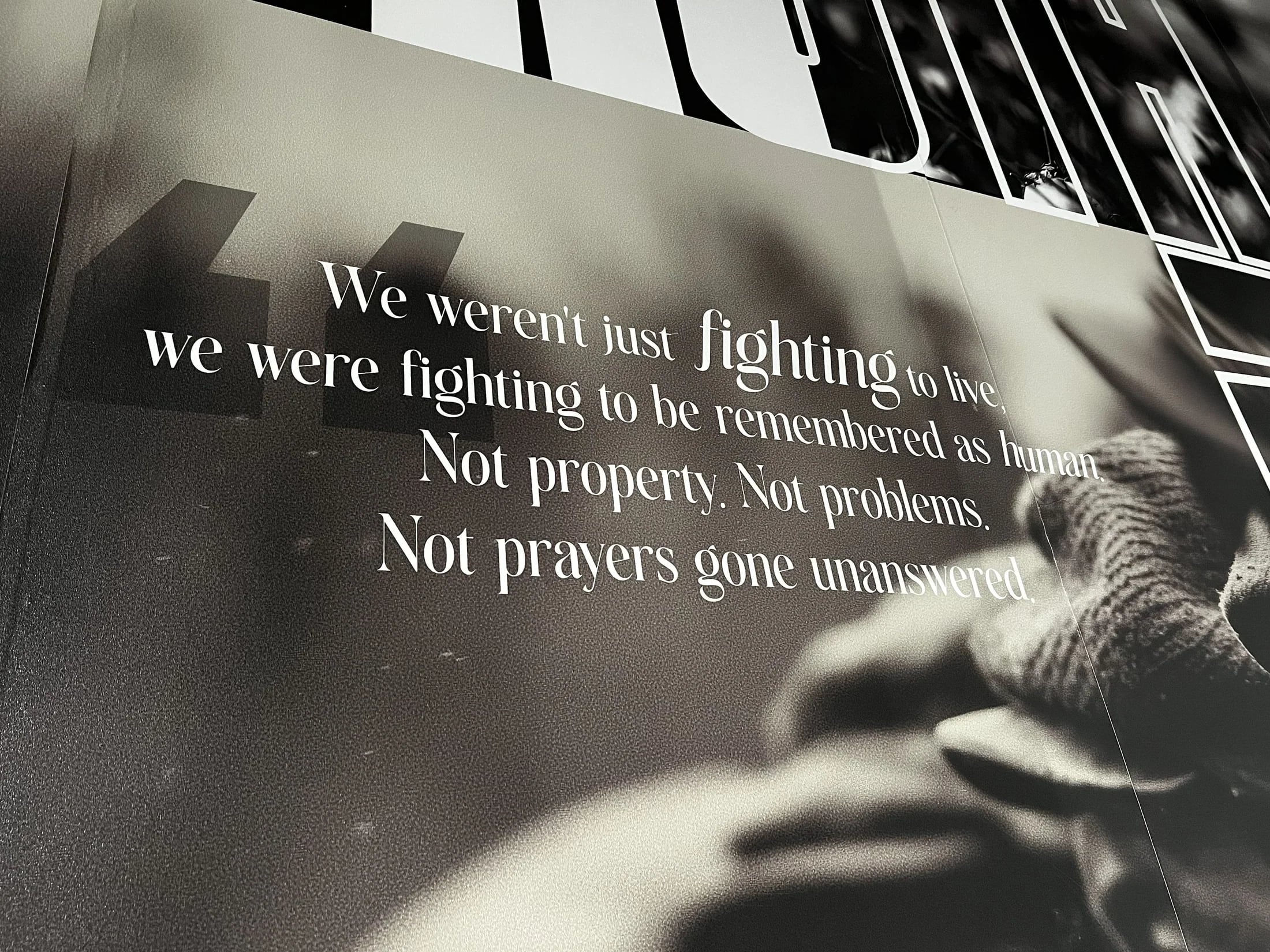
No history exists entirely alone.
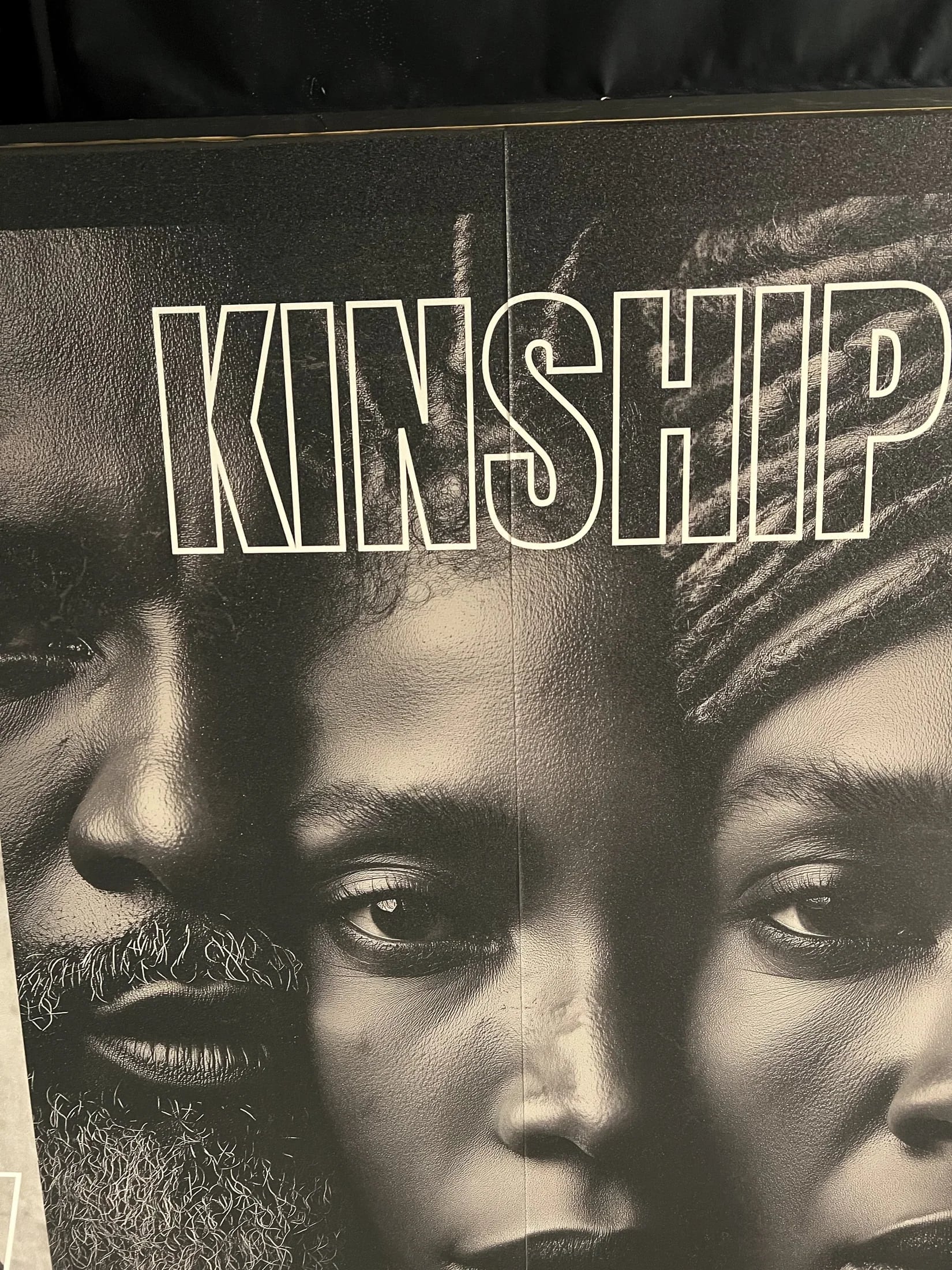
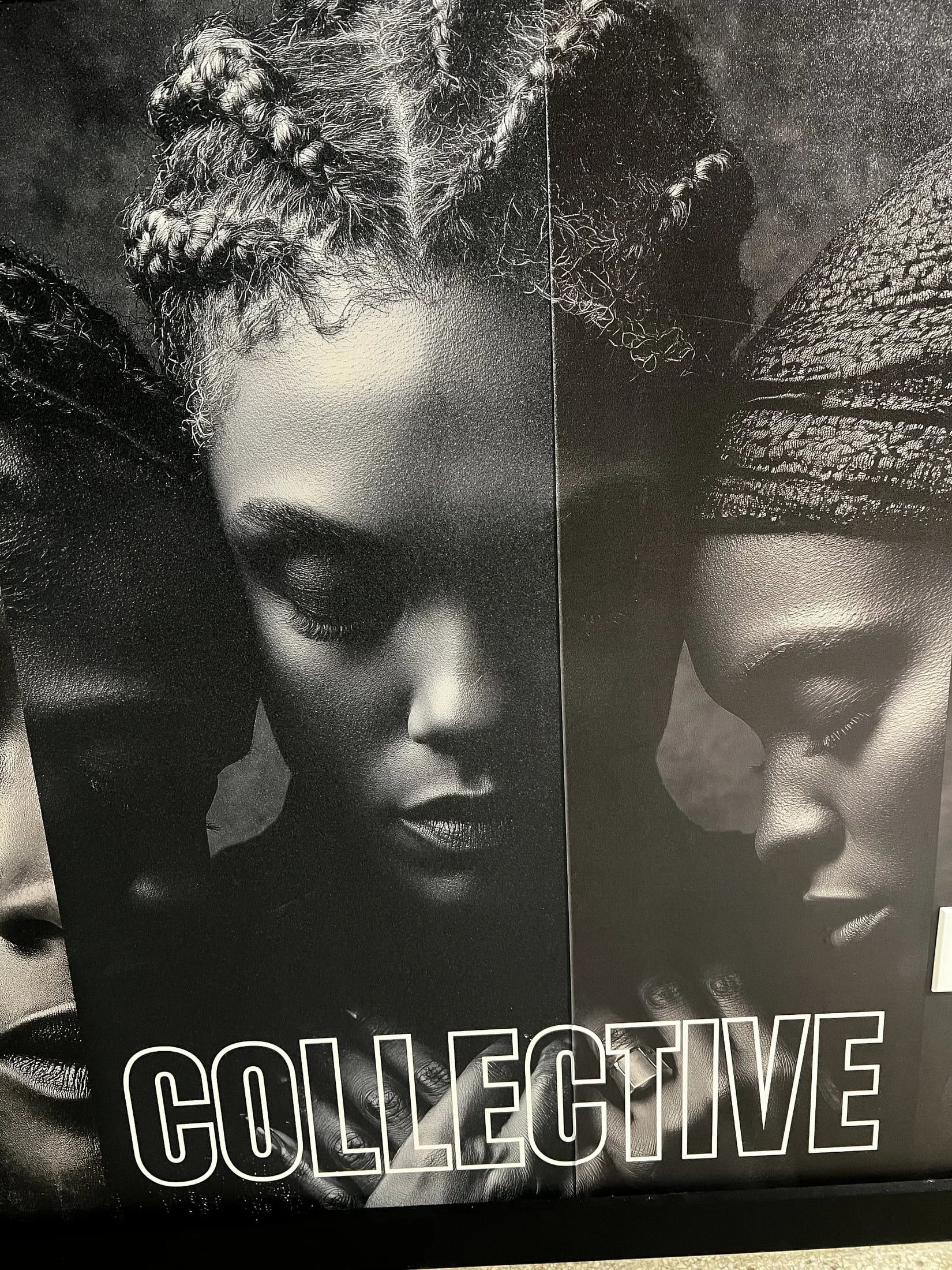
Lives intersect through family, community, work, migration, political action, faith and culture. A collection makes such relationships visible when materials that might otherwise be separated can be read together.
The recurring language of kinship and solidarity in WEIGHT invites a broader question: how does individual experience become collective history—and how does that history change what future generations can imagine?
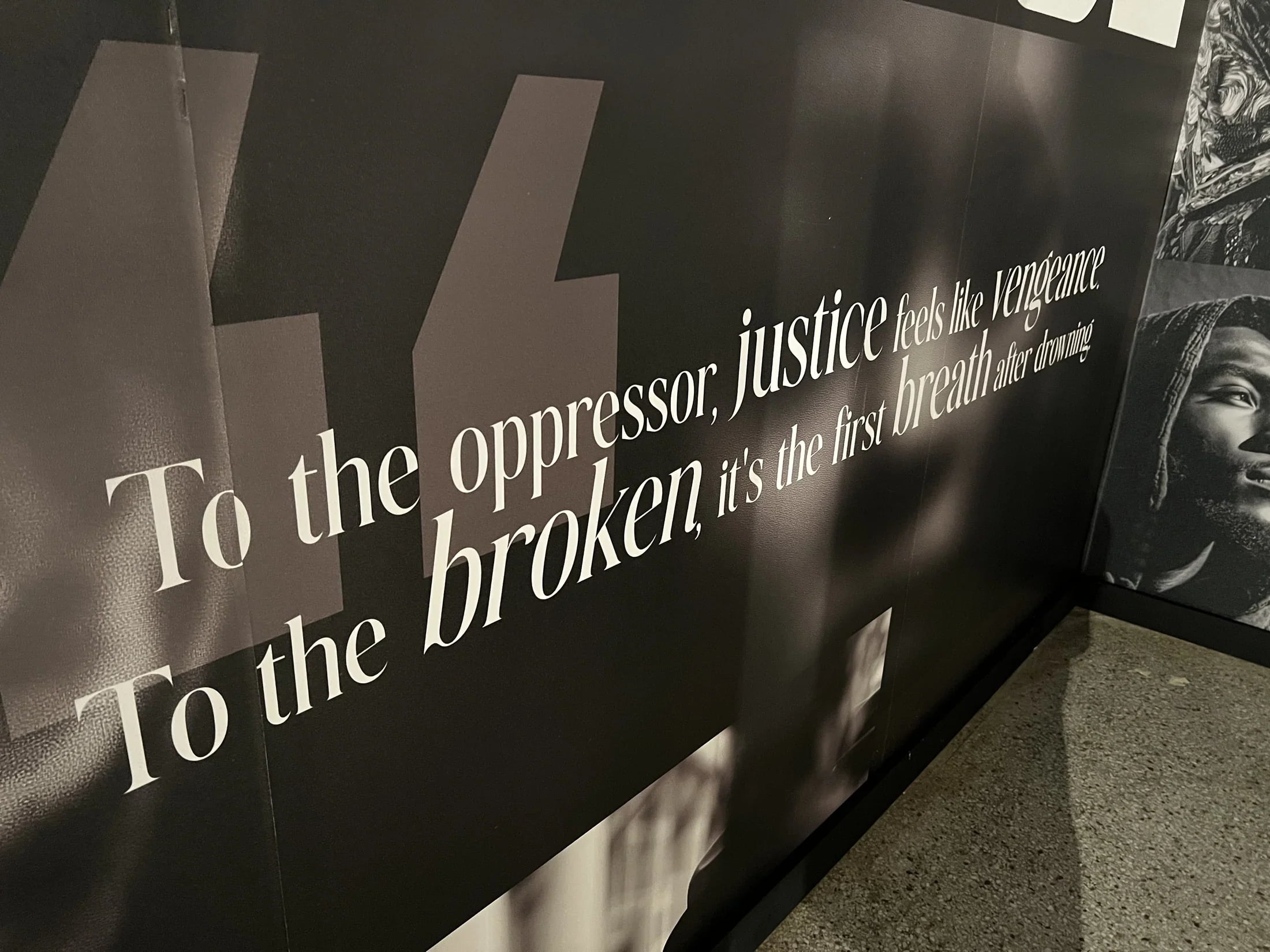
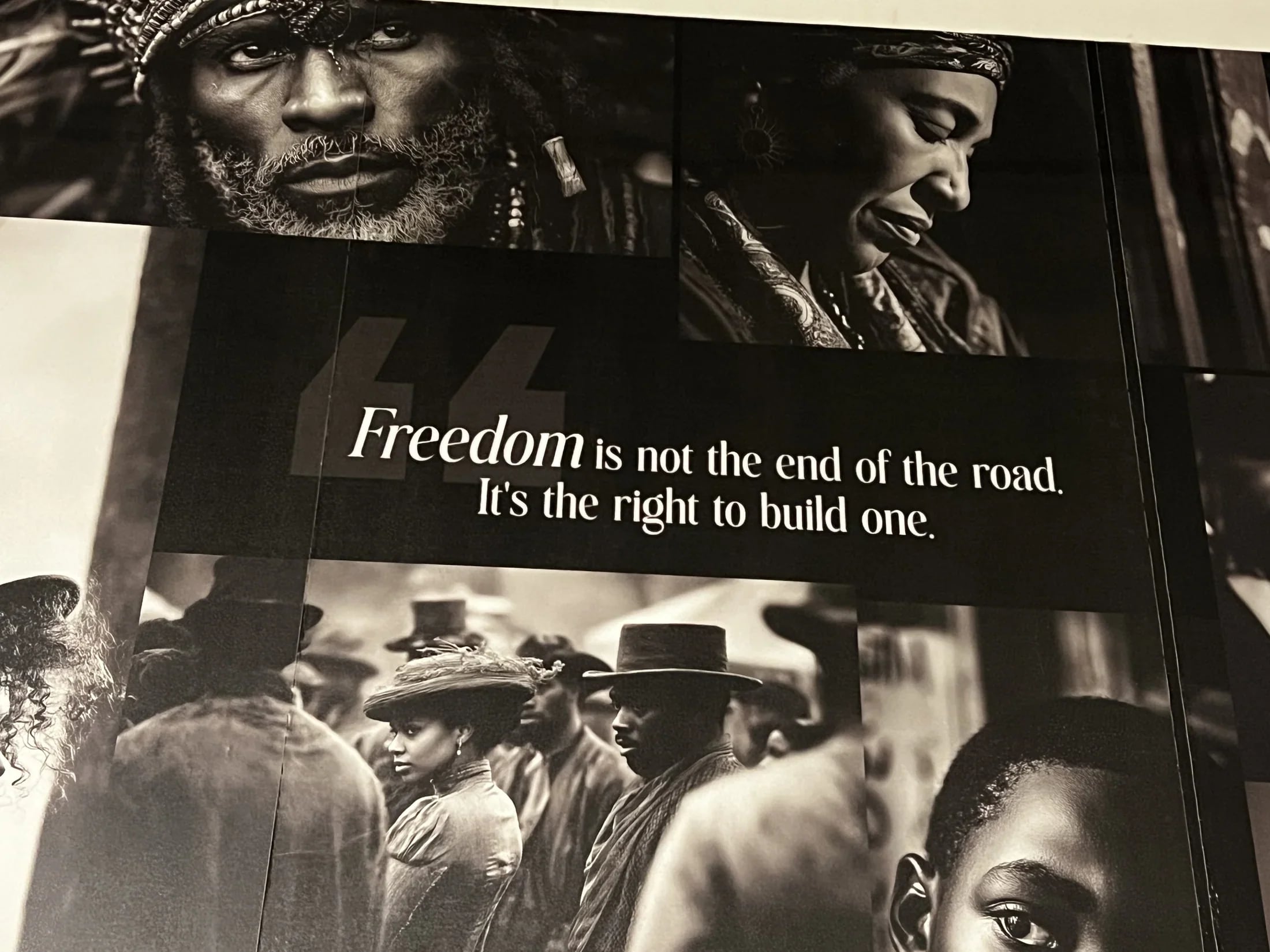
Freedom is not only a historical event. It is a condition that must be examined.
EDITORIAL INTERPRETATION · NOT AN ARCHIVAL QUOTATION
The unfinished work
The final images turn attention outward—from an exhibition we can visit to a historical responsibility that continues beyond it.
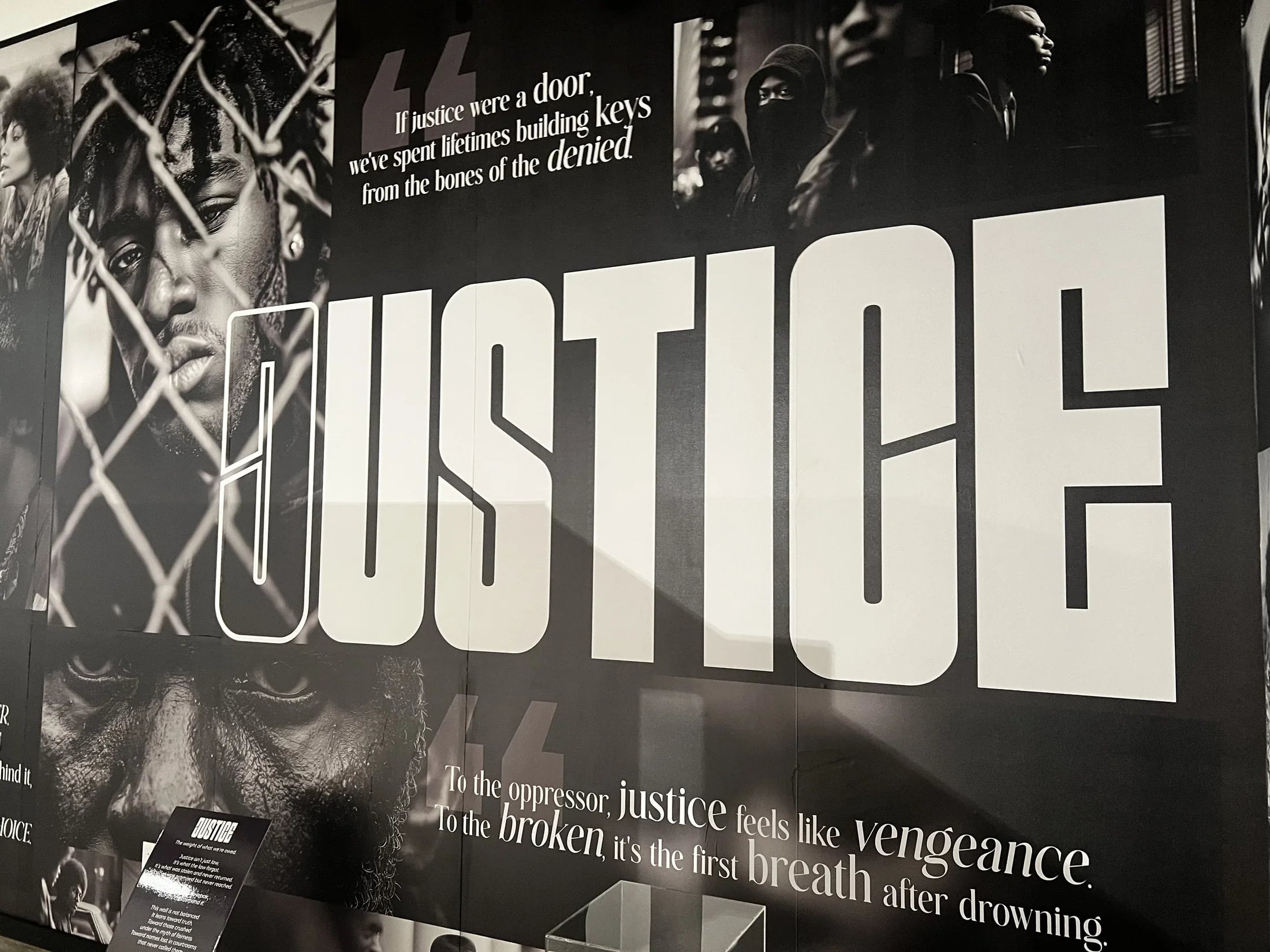
The exhibition ends.
The record continues.
WEIGHT is being developed for a planned Black History Month 2027 opening. This first web folio introduces the exhibition through selected installation photographs and preliminary editorial commentary.
Object-level captions, photographer credits, historical references and the collection's definitive curatorial text will be added following review. The exhibition's separate mobile companion remains a distinct experience.